MeHuCo 2022-26

Here you will find the results of the first phase of the project.

Subprojects

Prof. Dr. Jutta Weber | Paderborn, Media Studies / Media, Culture and Society / STS

Swarm Technologies. Control and autonomy in complex weapons systems.

This subproject analyzes current concepts and socio-technical imaginations of autonomous drone swarms capable of learning within current military thinking and elucidates the implication for the human-machine-relationship and future forms of…
Read more
Prof. Dr. Jutta Weber | Paderborn, Media Studies / Media, Culture and Society / STS
This subproject analyzes current concepts and socio-technical imaginations of autonomous drone swarms capable of learning within current military thinking and elucidates the implication for the human-machine-relationship and future forms of warfare. There are, on the one hand, analyses oriented towards military strategy that seek to achieve a new quality of autonomy and cognitive performance in weapons systems with biomimetic and complexity-theoretical concepts of behaviour, control and controllability of drone swarms. On the other hand, critics point to the fundamental unpredictability of complex swarm behavior and challenge the idea of the responsibility of a ‘human on the loop’.
PD Dr. Christoph Ernst | Bonn, Media Studies / Media History

Scenarios of interaction – human-machine interfaces in the discussion about AWS

The possibilities for control and regulation are not only connected to actors, institutions or technology but also dependent on the media conditions such as interfaces. The main goal of this…
Read more
PD Dr. Christoph Ernst | Bonn, Media Studies / Media History
The possibilities for control and regulation are not only connected to actors, institutions or technology but also dependent on the media conditions such as interfaces. The main goal of this subproject is to investigate these conditions on the basis of scenarios of human-machine-interaction in the context of autonomous weapons systems (AWS) and to open them up for critical reflection. For this purpose, it will be analysed how concepts such as “Meaningful Human Control”, responsibility or autonomy can be produced or ensured technically in certain interface-solutions. On the other hand, the project will elaborate which notions regarding technical control, supervision, or autonomy are constructed in politics, academic research, industry, and fictional representations. As one of the main theses of the subproject states, these imaginings shape the reality of autonomous weapons to a considerable extent at the same time.
Prof. Dr. Susanne Krasmann | Hamburg, Sociology

AI and the human understanding of meaning in law

Starting from the observation that they speak different languages, the project asks how the law and algorithmic based decision systems communicate with each other and understand their subject respectively. Being…
Read more
Prof. Dr. Susanne Krasmann | Hamburg, Sociology
Starting from the observation that they speak different languages, the project asks how the law and algorithmic based decision systems communicate with each other and understand their subject respectively. Being interested in the forms of interaction between sense-making actors, algorithms and their subjects, the project is also concerned with epistemological questions. It inquires into the new forms of knowledge production and thus also of human thinking as well as in the modes of living together that the so-called artificial intelligence introduces.
Prof. Dr. Susanne Beck | Hannover, Law

Cooperative decision vs individual responsibility

In international humanitarian law the increasing focus on individual responsibility or criminal responsibility is of great importance. It is the basis for mutual recognition as persons capable of acting, the…
Read more
Prof. Dr. Susanne Beck | Hannover, Law
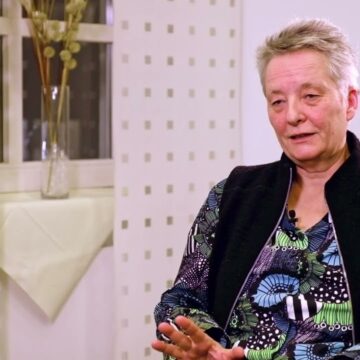
In international humanitarian law the increasing focus on individual responsibility or criminal responsibility is of great importance. It is the basis for mutual recognition as persons capable of acting, the (re)establishing of trust in norms being upheld and the peacekeeping effect in society. In view of the further development of autonomous systems, there are demands for Meaningful Human Control (MHC) – not only regarding weapons systems but also in other contexts such as in medicine. As a follow up to a research project in medicine, the significance of technical implementation, the illusion of one’s own agency for MHC, the concept of responsibility and the related social function are to be analysed from the perspective of (international) criminal law. Project duration: 2022 to 2026
Prof. Dr. Ing. Reinhardt Gerndt | Ostfalia, Robotics / Computer Science

RoboCup test scenario

Within the competence network, this subproject contributes a test scenario as an illustrative example. It is based on the overall goal of the RoboCup – a football match between autonomous…
Read more
Prof. Dr. Ing. Reinhardt Gerndt | Ostfalia, Robotics / Computer Science
Within the competence network, this subproject contributes a test scenario as an illustrative example. It is based on the overall goal of the RoboCup – a football match between autonomous humanoid robots and humans. The scenario reflects – reduced in complexity and less normatively considered than a weapons system – the central topics of the competence network as well as individual subprojects (individual responsibility, predictability, interaction). Assigning rule violations committed by robots in the game to the autonomous robot ‘player’ or to the programmers and the question of an automatic (AI) referee or ‘ethics module’ on the robot player (cf. Arkin) are both practical and transferable issues. In this way, the scope and limits of controllability and control can be discussed in a complexity-reduced manner. Project duration: 2022 to 2026

Media

Autonomous Weapon Systems – Realistic Dangers and Possible InterventionsAutonomous Weapon Systems – Realistic Dangers and Possible Interventions

Autonomous Weapon Systems – Realistic Dangers and Possible Interventions

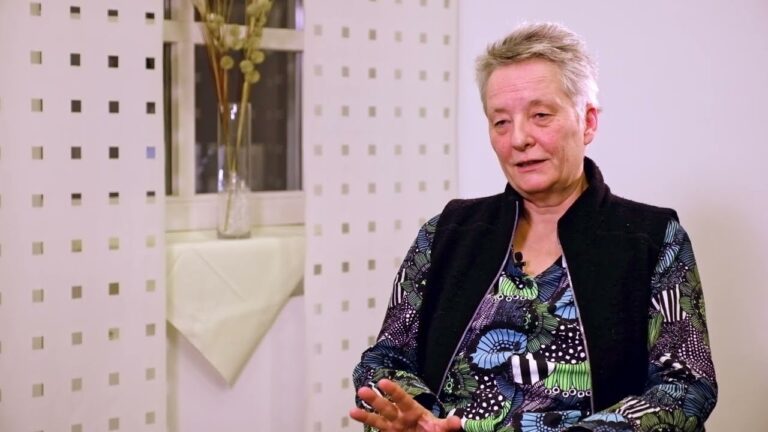
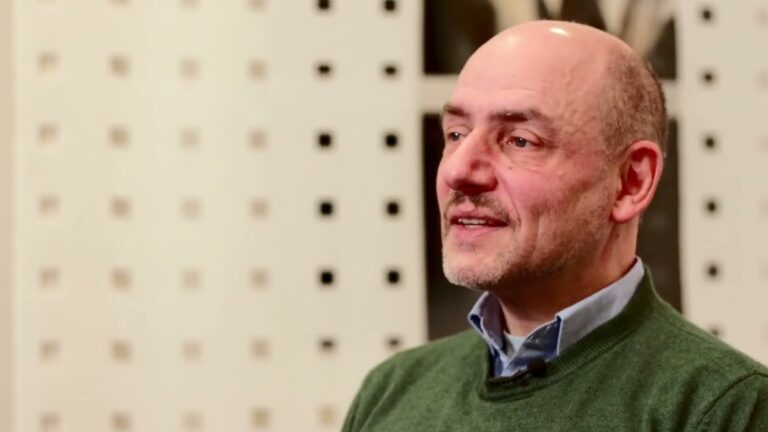
Jutta Weber researches (together with Jens Hälterlein) in the MeHuCo subproject “Swarm technologies. Control and Autonomy in Complex Weapon Systems” at the University of Paderborn.

Watch the video
Autonomous weapon systems – control of drone swarmsAutonomous weapon systems – control of drone swarms

Autonomous weapon systems – control of drone swarms

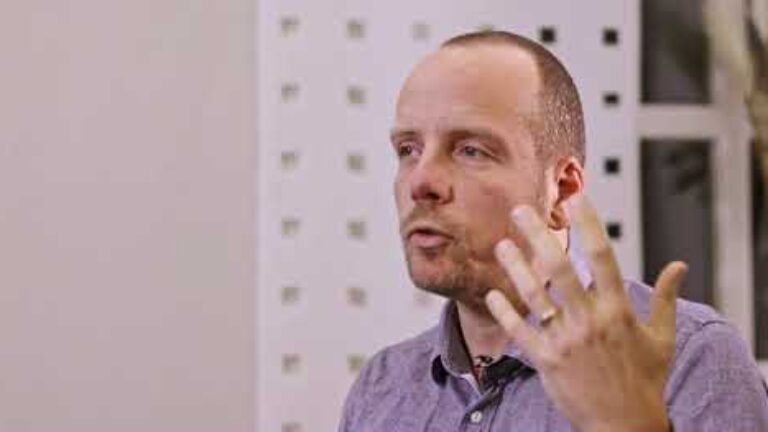
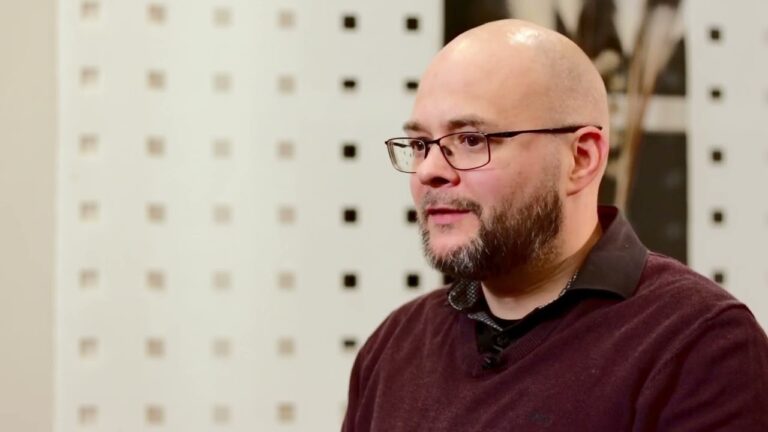
Jens Hälterlein researches (together with Jutta Weber) in the MeHuCo subproject “Swarm technologies. Control and Autonomy in Complex Weapon Systems” at the University of Paderborn.

Watch the video
Autonomous weapon systems. Control through law?Autonomous weapon systems. Control through law?

Autonomous weapon systems. Control through law?

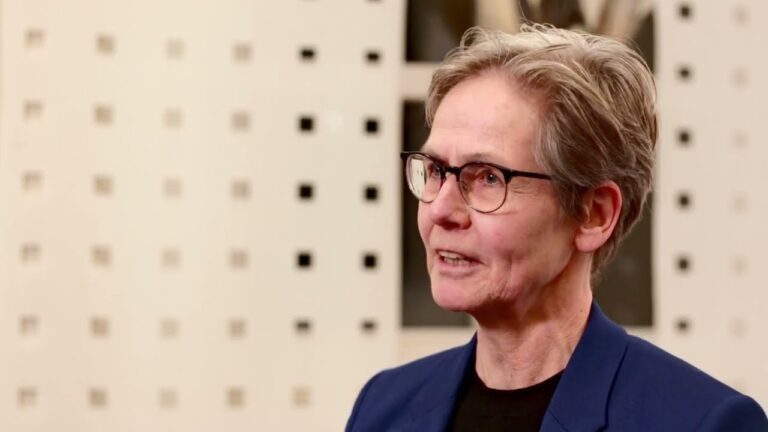
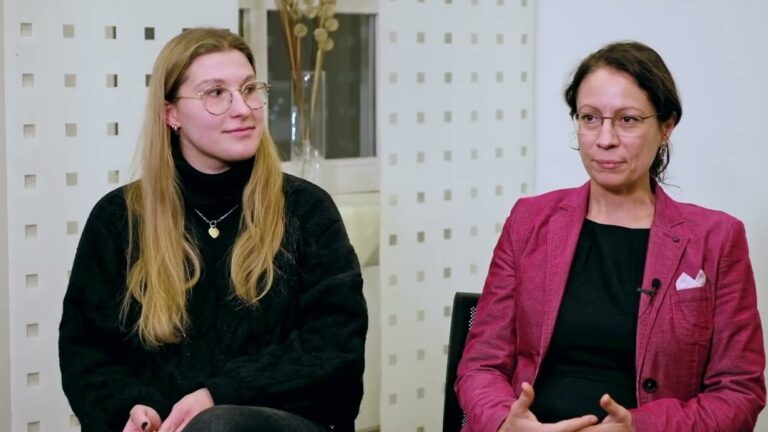
Susanne Krasmann researches (together with Stephanie Schmidt) in the MeHuCo subproject “AI and human understanding of meaning in law” at the University of Hamburg.

Watch the video
Control over autonomous weapons: Interfaces are crucialControl over autonomous weapons: Interfaces are crucial

Control over autonomous weapons: Interfaces are crucial

Christoph Ernst researches (together with Thomas Christian Bächle) in the MeHuCo subproject “Interaction scenarios – human-machine interfaces in the discussion about AWS” at the University of Bonn.

Watch the video
RoboCup test scenarioRoboCup test scenario

RoboCup test scenario

Reinhardt Gerndt researches (together with Daniel Giffhorn) in the MeHuCo subproject “Test scenario RoboCup” at the Ostfalia University of Applied Sciences.

Watch the video
Cooperative decision vs. individual responsibilityCooperative decision vs. individual responsibility

Cooperative decision vs. individual responsibility

Susanne Beck and Simone Tiedau are researching in the MeHuCo subproject “Cooperative decision vs. individual responsibility” at Leibniz University Hannover.

Watch the video